
People search man utd next game when they want a fast, reliable answer that settles the question in seconds. The search is not about long opinions or history first. It is about finding out who Manchester United play next, when the match starts, where the match is played, and what competition it belongs to. The same intent appears in slightly different wording, so you will also see searches like man utd next game, next man utd game, when is man utd next game, when is the next man utd game, and phrases like when is man united next match or when is the next man united game. A strong match hub handles all those variations with one clear layout: a next match card at the top, a short upcoming run beneath it, then a full fixtures schedule that fans can scroll or filter by month and competition. This page is written to cover the entire fixtures cluster in one place, including man utd fixtures, manchester united fixtures, man utd match fixtures, man utd football fixtures, man u fixtures, man u match fixtures, man utd schedule, schedule man utd, manchester united schedule, manchester united game schedule, manunited schedule, mu fixtures, mu fixture, mufc fixtures, united fixtures, fixtures united, and the “today” intent like man united game today, today man united game, Manchester United match today live, and Manchester United game today time.
Search intent and what the results usually reward
The intent behind this keyword set is straightforward: it is informational and time focused. Fans are planning their day around a kickoff, checking whether a match is on Sunday, Saturday, or Wednesday, and confirming whether United play at home or away. That is why you see so many versions of the same search. People type man utd fixtures today or mu match today when they want to know what is happening right now, and they type man u upcoming fixtures or upcoming manchester united fixtures when they are trying to plan the next few weeks. Match listings also pick up seasonal words like december, january premier league, premier league december, february premier league, march, and april because supporters often think in runs rather than single games, especially during a busy season where league and cup schedules overlap. On many fixture listings, broadcast labels appear near kickoff times because TV picks can move games, which is why terms such as sky sports, tnt sports, and bbc often appear around fixture queries, alongside competition language like premier, league stage, knockout, play off phase, first leg, and second leg.
Man Utd next game: what the page should answer without delay
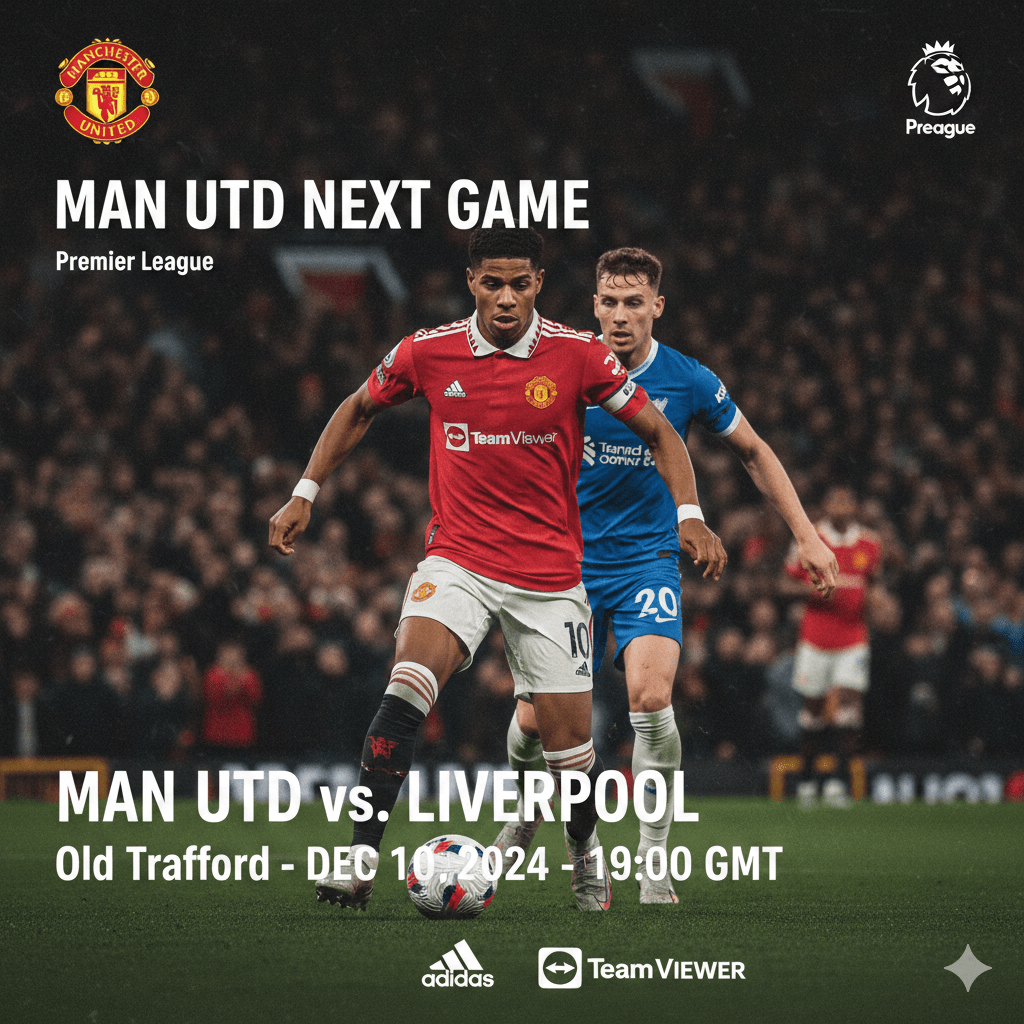
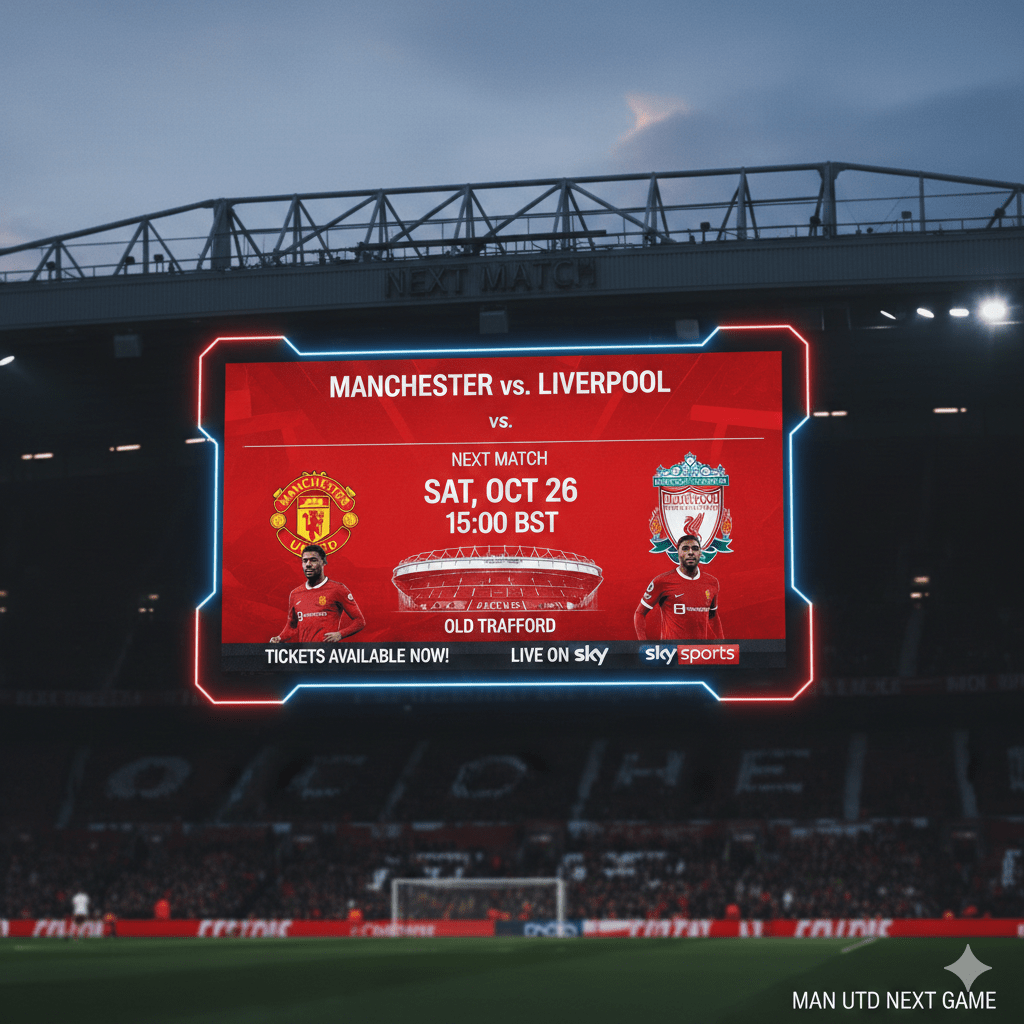
A dedicated “next game” section should read like a match card that someone can trust. Fans typing man utd next game or next man utd game are usually checking five details at once: the opponent, the date, the kickoff time, the competition, and the venue. If the page makes them hunt for those details, they bounce. The next match card should present the opponent in the same style fans see in fixtures everywhere, with a home listing written as “Manchester United vs [Opponent]” and an away listing written as “[Opponent] vs Manchester United,” because it answers the venue question in a single glance. Under that, the date and kickoff time should appear in a consistent format that does not change line by line, since people are often checking quickly on mobile while commuting, eating, or stepping away from work. When the competition label is present and clear, it supports related searches such as next mufc match, next manutd match, and next match for man utd, because fans often think about the match differently depending on whether it is a Premier League game, a cup tie, or a European fixture.
When is Man Utd next game: why this wording appears so often
Searches like when is man utd next game and when is the next man utd game appear when people want time confirmation more than anything else. They may already know the opponent from social chatter or from a quick glance at a headline, yet they are unsure about kickoff time, day of the week, or whether the game moved. This is common when the schedule is tight, when TV picks shift slots, or when cup progress changes the calendar. A good fixtures hub treats that question with respect and answers it in full sentences, in a paragraph that repeats the same match card details using plain language, so the reader can trust they have not misread. The most common follow up question after “when is the next game” is whether the match is today, tomorrow, or later in the week, which is why this hub also carries the “today live” and “tomorrow” sections.
Next Man Utd games and upcoming fixtures: the next five matches view
Many supporters do not stop after checking one match. They plan around the next few fixtures because form, injuries, travel, and fatigue are shaped by runs of games rather than single nights. That intent shows up in searches like man utd next games, man utd upcoming games, man u next fixtures, man u upcoming fixtures, mufc next fixtures, manchester united next fixtures, and upcoming manchester united fixtures. A “next five fixtures” block works because it compresses the schedule into a short view without forcing readers to scroll through months of matches. Fans also search for variations like man u next 5 fixtures today, and the page can satisfy that without trying to predict outcomes by simply presenting the next run in a stable format that includes date, opponent, venue, competition, and kickoff time.
Next match fixture wording and why people search it
Some fans type man utd next match fixture or man utd next match fixtures because they are thinking in terms of the fixture list rather than a single game. This wording often appears after a busy weekend when people are checking whether the next match is midweek or whether there is a gap, and it becomes even more common when a club is involved in multiple competitions. A fixtures hub can meet that intent by placing the next five matches immediately below the next match card, then using a short paragraph to explain what the list includes, what the competition labels mean, and why kickoff times can change. That paragraph should read like a calm guide, not a warning, because fans want clarity, not noise.
Man Utd fixtures and schedule: the full timetable view
The broader fixture queries, including man utd fixtures, manu match fixtures, man utd football fixtures, man utd match fixtures, man u fixtures, manchester united fixtures, fixture of manchester united, manchester united football fixtures, man united game fixtures, man utd schedule, schedule man utd, manchester united schedule, and manchester united time table, all point to the same need: a complete, scrollable schedule that people can return to across the season. The best fixture hub reads like a calendar and a results page at the same time. It lists upcoming games clearly, keeps past results accessible without sending the reader elsewhere, and uses consistent language so a supporter who checks the page daily does not have to re learn the layout each time. It should include the match date and time, the opponent, whether the match is home or away, and the competition label. Cup games should carry round labels, and European fixtures should carry stage labels, because those are the details fans use to talk about the season.
Man United fixtures and results: combining future and past in one hub
A lot of schedule pages fail because they split intent into separate places. Fans who come to a fixture page often want two things at once: what is next and what just happened. That is why searches like man u fixtures and results, man united last fixtures, man u last fixtures, and manchester united matches sit beside “next game” queries. A strong hub includes a short “recent results” section that shows the last few matches with the score and competition. It does not need long commentary in the results area, because the point is quick recall. When the hub links to match reports and player ratings pages inside your site, readers can shift into deeper reading without losing the fixture context that brought them there.
Monthly fixtures: why fans search by month
Supporters often think in month blocks, especially around a winter run or a spring push. That is why a fixture hub should include a monthly view that can be scanned quickly. Searches tied to months are common during periods like December and January, where the Premier League schedule can feel relentless, and also in February, March, and April when cup rounds and European ties can shape league priorities. A month view helps people see whether there is a tough run, whether there is a derby, and whether there are stretches of away games. It also fits the natural language in the keyword set, including phrases that mention premier league season, league saturday, cup sunday, and matchday rhythm words like sunday, saturday, and wednesday.
Premier League fixtures for Manchester United: EPL schedule language that people type
Many people add “Premier League” or “EPL” into their fixture searches because they want to filter out cup games and focus only on the league. That shows up as Man Utd fixtures Premier League, mu epl fixtures, pl fixtures man utd, manchester united epl fixtures, epl manchester united fixtures, manchester united english premier league fixtures, and english premier league fixtures man united. A Premier League only section on the hub should read like a clean subset of the full schedule, with the same layout as the main list so the reader does not have to interpret a different style. It can also hold short paragraphs that explain what a “reverse fixture” means in plain language, because fans often search for fixtures when they want to know when the return game happens. When this section is written clearly, it also helps catch misspellings and shorthand that people type without thinking, like manchetser united fixtures, manchesyer united fixtures, and mancester united fixtures, which are common on mobile keyboards and still indicate the same intent.
Cup and European fixtures: stage and leg language that fans expect to see
When United are involved in cups or European competition, fixture intent expands. People still type the same base queries, yet they are also looking for round and stage context. Cup fixtures are usually discussed by round because it tells fans what is at stake, and European ties are often discussed by stages and legs because it shapes the story of the tie. That is why you see common words like round, stage, conference, europa, knockout, league stage, play off phase, first leg, and second leg in fixture related language. A fixtures hub should present those labels next to each match rather than hiding them, because it reduces confusion and it stops supporters from mixing league games with cup ties in their heads. The hub can also include a paragraph that explains why schedules change more often during these parts of the season, since cup draws, replays, and TV selections can all move kickoff times and match dates.
Man United game today: today, live, and time intent
The “today” cluster behaves differently from general fixtures. A person typing man united game today is not browsing. They are checking status, time, and whether there is a match at all. The same intent appears in today man united game, Manchester United game today, manchester game today, mu match today, mu today game, man u games today, mu today game, and the question form is man u play today. This section should not be a tiny sentence, because fans often want clarity that covers time, venue, and competition without guessing. The best approach is a full paragraph that starts by stating whether there is a match today, then immediately names the opponent and kickoff time if there is one, then clarifies the venue and competition so the reader does not have to cross check.
Manchester United match today live: what fans want during the match window
The phrase Manchester United match today live indicates a match window intent. The reader wants to know whether the match has started, what the score is, and where to follow key moments. The same user may also search man united game today time or Manchester United game today time because kickoff time still matters even after the match begins, especially for supporters in different time zones who are joining late. A “live” section works best when it has one steady paragraph that gives the match status and the current scoreline, followed by a second paragraph that describes what the match center contains on the page, such as lineups, substitutions, major events, and a short summary that updates after full time. This keeps the hub useful during the entire day rather than only before kickoff.
Manchester United game tomorrow: the short planning window
Tomorrow intent is similar to today intent, yet the reader is often calmer and wants a quick preview. That shows up as Manchester United game tomorrow, man united match tomorrow, and man u match tomorrow. A fixtures hub should have a dedicated tomorrow block that mirrors the today block, with a paragraph that states the opponent, kickoff time, venue, and competition, then adds a short paragraph about what to expect from the match center pages on your site, such as where the preview will appear, where lineups will be shown, and where the post match report will be placed after full time. This matches the natural user behavior of checking tomorrow’s match, then returning again closer to kickoff for a lineup and final time confirmation.
Why fans see different kickoff times and why “time table” searches exist
The “time table” phrase appears because supporters are trying to treat the fixture list like a timetable, especially when matches are moved across broadcast slots. People might see Sunday at one time, then notice it has shifted to another slot, and they come back to the fixtures hub to confirm. This is where the page should use large paragraphs that explain the idea of kickoff times being subject to change across the season, especially around Premier League broadcasting selections and cup scheduling. A calm explanation helps the hub feel trustworthy without turning it into a warning page. It also helps to mention that listings often show UK time as a baseline, since many fixture sources and broadcasts use UK time by default, while international supporters then convert into their local time. When the hub labels time zones clearly, it avoids confusion for supporters who are checking from outside the UK and it supports intent behind searches like manchester united time table and man united time table.
Fixtures language fans type in many shapes: shorthand, spelling variants, and multilingual searches
Supporters often type shorthand without thinking, so the same intent appears as man u fixtures, manu fixtures, mu fixtures, and mufc fixtures. A clean fixtures hub does not need separate pages for each variation. It needs one page that uses these phrases naturally in a few places, especially in headings and early paragraphs, so the page can match the language supporters use. There are also common spelling slips like manchetser united fixtures, manchesyer united fixtures, and mancester united fixtures, and they still signal the same desire: a match list and kickoff times. A multilingual phrase like matchs de manchester united also points to fixtures and match listings, and a single hub can still satisfy that intent when it is written clearly and contains the schedule people are looking for.
How the fixtures hub connects to the rest of a Man United site
A fixtures page becomes far more useful when it connects to match content in a consistent way. After fans check man utd next match, many of them want the preview. After full time, they want a report and player ratings. A fixtures hub can hold this flow without clutter by using paragraphs that explain what readers will find on the connected pages, such as a preview that focuses on team news and likely shape, a report that explains the turning points, and a match analysis page that focuses on how the game was won or lost. This naturally matches the broader set of searches like manchester united matches, man united games, and manchester united games, because fixtures are not only dates, they are a season story that fans track across league and cup.
Wrap up
This single hub is built to cover the full search intent behind man utd next game, next man utd game, and question forms like when is man utd next game, while also acting as the main schedule page for man utd fixtures, manchester united fixtures, man utd schedule, and shorthand like mu fixtures and mufc fixtures. It also covers the immediate match status intent behind man united game today, Manchester United match today live, and “tomorrow” searches. When the page uses a next match card, a next five fixtures block, a full schedule list, and a today and tomorrow match center section, supporters can find what they need without bouncing between pages or feeling uncertain about kickoff time and match status.